
Creating an effective Google Ads campaign is not about luck or simply “testing ads.” For a campaign to truly work, it requires a clear method, analysis, and constant monitoring. Below is a proven, structured process to build profitable and scalable campaigns.
1. Define what you´re going to sell (before opening google ads)
Before creating any campaign, it’s essential to clearly define what you’re selling:
Specific services
Specific products
Avoid mixing everything into a single campaign. Each service or product should have its own focus, as this makes targeting, optimization, and performance measurement much easier.
2. Keyword and competitor ressearch
Once your services or products are defined, the next step is identifying the keywords that truly represent your business.
You can do this with:
Free tools like Google Ads Keyword Planner
Paid tools and extensions such as Ahrefs, SE Ranking, or DinoRank
The goal is to identify your main keywords — those with real search and purchase intent.
Then:
Search those keywords on Google
Analyze who appears in paid ads and organic results
List all competitors in an spreadsheet
Important: if you copy URLs from ads, remove UTMs, as they can cause errors later.

3. in-depth market analysis
With your competitor list ready, visit their websites and analyze:
Which keywords generate the most traffic for them
Which keywords carry the most weight
Which ones align with your services
Add these keywords to your spreadsheet along with your own.
This is where you begin working with real market data instead of assumptions.

4. setting up campaigns in google search
With all your research complete, you can now move into Google Ads.
Before creating campaigns:
Properly configure conversions (forms, calls, purchases, etc.)
Without accurate conversion tracking, campaigns cannot be optimized correctly.
Then:
Create search campaigns
Structure one ad group per service
As a reference: 2–3 ad groups for every $4,000 MXN in budget.
Inside each ad group:
1 broad match keyword
2–3 phrase match keywords
1–2 exact match keywords
The goal is to cover as many relevant searches as possible.

5. daily optimization and monitoring
This is where many campaigns fail: tracking must be done daily.
Every day:
Add negative keywords for irrelevant searches
Remove non-converting terms
Identify transactional searches that perform well
Keywords that convert should be moved to phrase or exact match.
This provides Google Ads with higher-quality data and accelerates campaign learning.

6. scaling and performance max (pmax)
Once your campaign converts consistently (daily or every two days), it’s time to scale.
Key steps:
Separate top-performing ad groups into their own campaigns
Assign individual budgets
Test new headlines and descriptions to improve CTR
When you have:
15–20 conversions per campaign
Clearly defined keywords
Converting search terms
A clear understanding of competitors
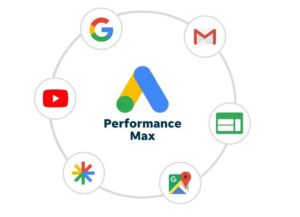
It’s time to move to Performance Max (PMAX).
Here you work with:
Audiences based on search terms (not isolated keywords)
Audiences based on competitor URLs
Complete creative assets (text, images, or at least video)
This creates the ideal cycle:
Search → Data → Optimization → PMAX → Scaling
No shortcuts, no hype — just method.
hello world
hello world
mobic medication generic
mobic medication generic
linezolid 600 mg price
linezolid 600 mg price
diflucan over the counter south africa
diflucan over the counter south africa
tetracyklina
tetracyklina
antibiotics for pneumonia
antibiotics for pneumonia
prevacid 30 mg capsule
prevacid 30 mg capsule
diflucan generic
diflucan generic
cialis cost per pill
cialis cost per pill
augmentin for sinus infection
augmentin for sinus infection
stromectol uk buy online
stromectol uk buy online
doxycycline hyclate 100mg tab
doxycycline hyclate 100mg tab
nitrofurantoin 100mg for uti
nitrofurantoin 100mg for uti
lasix pill
lasix pill
doxycycline hyclate for uti
doxycycline hyclate for uti
kamagra 100mg pills
kamagra 100mg pills
tadalafil another name
tadalafil another name
cialis affect kidneys
cialis affect kidneys
cenforce 200 vs cialis
cenforce 200 vs cialis
cenforce 200 mg kopen
cenforce 200 mg kopen
revatio commercial
revatio commercial
avanafil stendra buy
avanafil stendra buy
priligy online uae
priligy online uae
finasteride topical costco
finasteride topical costco
semaglutide bijwerkingen
semaglutide bijwerkingen
var finns semaglutid naturligt
var finns semaglutid naturligt
semaglutid nebenwirkungen psyche
semaglutid nebenwirkungen psyche
cheapest vardenafil online
cheapest vardenafil online
ozempic doses mg
ozempic doses mg
metronidazole topical for rosacea reddit
metronidazole topical for rosacea reddit
cialis turkey reddit
cialis turkey reddit
bupropion hcl 150 mg espanol
bupropion hcl 150 mg espanol
minoxidil liquid kirkland
minoxidil liquid kirkland
saxenda injection cost
saxenda injection cost
ketoconazole treatment overview
ketoconazole treatment overview
terbinafine therapy summary
terbinafine therapy summary
terbinafine dosage treatment guide
terbinafine dosage treatment guide
ketoconazole shampoo full guide
ketoconazole shampoo full guide
ketoconazole mechanism for fungal infections
ketoconazole mechanism for fungal infections
terbinafine safety profile
terbinafine safety profile
acular ketorolac reference
acular ketorolac reference
toradol im vs iv duration
toradol im vs iv duration
ivermectin rosacea dermatology
ivermectin rosacea dermatology
minoxidil pharmacology basics
minoxidil pharmacology basics
minoxidil question library
minoxidil question library
sildenafil medical eligibility
sildenafil medical eligibility
sildenafil pricing overview
sildenafil pricing overview
avanafil mechanism information
avanafil mechanism information
avanafil online safety overview
avanafil online safety overview
avanafil cost determinants
avanafil cost determinants
avanafil reaction categories
avanafil reaction categories
vardenafil side effect insights
vardenafil side effect insights
vardenafil vs sildenafil full comparison
vardenafil vs sildenafil full comparison
orlistat restricted use
orlistat restricted use
orlistat food effects
orlistat food effects
medical editorial review
medical editorial review
online safety data protection
online safety data protection
augmentin vs amoxicillin mechanism
augmentin vs amoxicillin mechanism
amoxicillin contraindicated combinations
amoxicillin contraindicated combinations
otitis media viral infection
otitis media viral infection
penicillin allergy management
penicillin allergy management
pneumonia diagnosis
pneumonia diagnosis
sinusitis treatment
sinusitis treatment
Food and Onset Timing
Food and Onset Timing
Duration Variability Insights
Duration Variability Insights
Fastest Onset Resource
Fastest Onset Resource
Clinical Pharmacology Timing
Clinical Pharmacology Timing
Sildenafil vs Tadalafil
Sildenafil vs Tadalafil